A more thoughtful approach to creating lasting emotional change
Greywood was founded around a simple question: Why do insight and traditional skills alone sometimes fail to create lasting change?
That question became the foundation of our clinical approach: a more complete model of treatment that addresses not only symptoms, but the emotional patterns that keep them going.

Why Greywood exists
Traditional mental health treatment has helped countless people gain insight, develop coping strategies, and make meaningful progress. But for many others, lasting emotional change remains elusive.
Greywood was founded on the belief that effective treatment must address the full emotional system, not only the symptoms people experience, but also the reactions and protective strategies that shape how they navigate the world.
Our goal isn't simply to help people manage distress. It's to help them understand themselves more deeply, transform long-standing emotional patterns, and build a healthier relationship with their emotions.
Our clinical philosophy
Lasting emotional change requires more than managing symptoms. It requires understanding the full emotional system — how emotions are experienced, how we respond to them, and the deeper patterns that shape those responses over time.
Lasting emotional change requires more than managing symptoms. It requires understanding the full emotional system — how emotions are experienced, how we respond to them, and the deeper patterns that shape those responses over time.
Emotional Experience
How emotions are felt, understood, and processed.
Coping Skills
The tools and strategies that help us respond intentionally to difficult emotions.
Automatic Patterns
The protective strategies that influence our reactions, often outside of awareness.
Our approach
Evidence-based therapies, thoughtfully integrated.
No single therapeutic approach can fully address the complexity of emotional change. Rather than asking every client to fit one model, we thoughtfully integrate evidence-based and insight-oriented therapies into an accessible framework that accounts for each person's strengths, challenges, and goals.



The Greywood program
Insight
Understand why the mind protects itself.
Experience
Experience emotion differently in relationships
Practice
Develop new ways of responding
Our program draws from:

ISTDP (Intensive Short-Term Dynamic Psychotherapy)
Schema Therapy
AEDP
Unified Protocol
IFS and other parts-based therapies
Psychodrama
Narrative therapy
CBT
MBT
Interpersonal Neurobiology (IPNB)
Family and relationship therapies
Mindfulness
Somatic approaches
DBT and RO-DBT
Change happens through experience
Understanding yourself is an important beginning. Lasting change happens when new ways of responding are practiced, experienced, and integrated.
At Greywood, clients spend time exploring the emotional patterns that shape their lives, not simply managing symptoms, but understanding the emotional patterns that keep them going. Much of this work happens alongside experienced therapists and a small group of peers, because meaningful change is often built through connection and shared experience.
Together, we explore the emotional strategies that once helped you adapt but may now limit your ability to live fully. As those patterns become clearer, clients begin transforming them into more flexible tools.

The group became the first place where I could stay with difficult emotions instead of shutting them down. I didn't just learn new skills—I experienced myself differently.
Who Greywood serves
Greywood provides intensive mental health treatment for adolescents and adults ages 13 and up experiencing anxiety, depression, trauma, and other emotional challenges.
Our programs are designed for people who need more support than weekly therapy can provide while remaining connected to their home, school, work, and community.


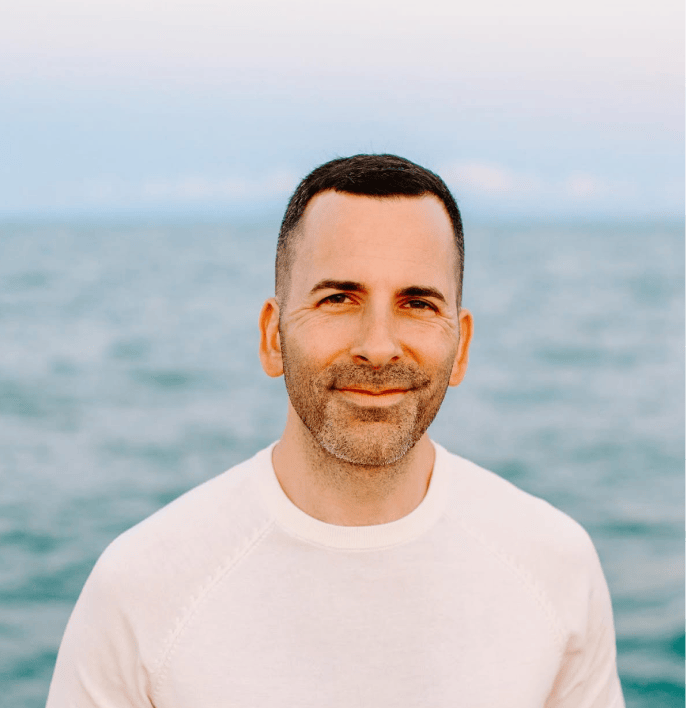
Tim Yovankin, MD
Dr. Yovankin is a board-certified child and adolescent psychiatrist treating mood, anxiety, and behavioral conditions in adolescents and young adults.
He earned his medical degree at Chicago Medical School and completed residency and fellowship training at the University of Illinois Chicago, where he was named Chief Fellow. He trained in psychodynamic psychotherapy at the Chicago Psychoanalytic Institute and has practiced across inpatient, PHP/IOP, and outpatient settings at academic and private institutions throughout Chicago.
Greywood reflects that range. The program's integration of insight, experience, and practice draws on the traditions that have shaped his work: psychodynamic and expressive approaches, and years of meditation practice in the Zen, Tibetan, and Vipassana lineages and with a community devoted to the teachings of Thich Nhat Hanh.
He lectures at the University of Illinois Chicago and Rush University Medical Center, and is a member of the Illinois Psychiatric Society.
"People don't change through understanding alone. They change when they get to experience emotion differently, alongside someone who can stay with them while they do."